
Project JellyLaunch
Helping new teams and programs get started and grow with confidence.
Project JellyLaunch is where excitement turns into a real team with a real plan. We support new SeaPerch teams and STEM programs with guidance, resource sharing, and practical startup help, so students are not left guessing and adults are not left feeling like they have to become engineers overnight.
Nolan Note: Start with a baseline build and one simple test, then improve from data, not opinions.
Why It Matters
New programs do not struggle because kids are not capable. They struggle because starting is hard. Some schools do not have funding. Some groups do not have tools. Some educators are assigned as sponsors and are amazing with kids, but have never built an ROV or troubleshot a wiring problem in their life. The moment a team hits a problem that is not in the build manual, momentum can disappear fast.
Project JellyLaunch exists so new teams start strong, stay encouraged, and keep moving forward. Because the first season should not feel like survival. It should feel like discovery.
Impact includes:
-
New teams launching with structure, guidance, and confidence
-
Educators and sponsors supported with clear next steps and practical help
-
More students able to access SeaPerch and hands on STEM opportunities
How It Started
Project JellyLaunch expanded after we returned from the 2025 International SeaPerch Challenge and realized something that mattered, there were students in our own community who wanted SeaPerch, but did not have a program, funding, or the support to get one started.
We began helping launch a new SeaPerch program at a Title 1 campus, working through approvals, startup planning, and the real world logistics that nobody puts in a build manual. We helped connect mentors, secure resources, and build the kind of support system that lets a new program grow instead of burn out.
At the same time, we began receiving requests from homeschool families and community groups who wanted to build teams too. They had curiosity and motivation, but needed a path, practice locations, build meet up ideas, and a way to turn interest into an actual program. Project JellyLaunch became our way of saying, yes, you can do this, and no, you do not have to do it alone.
What We Do
Project JellyLaunch may include:
-
Guidance for starting new SeaPerch teams and STEM programs
-
Support with build kit basics, tools, and safety practices
-
Help organizing meeting routines, team roles, and season planning
-
Connecting teams with mentors and practice support when available
-
Helping groups find build locations, meet up options, and a realistic plan
-
Startup support that reduces confusion and keeps momentum strong
Who We Serve
Project JellyLaunch supports:
-
Schools starting new SeaPerch teams
-
Homeschool and community groups building new STEM teams
-
Educators and sponsors who want to support students with confidence
-
Student leaders ready to build and learn, even when resources are limited
Connected Projects
Project JellyLaunch connects with:
-
Project JellyConnect for mentorship and troubleshooting support
-
Project JellyUnite for training and workshop support
-
Project JellyLift for fundraising and resource support to remove barriers
Photos and Highlights
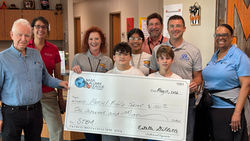
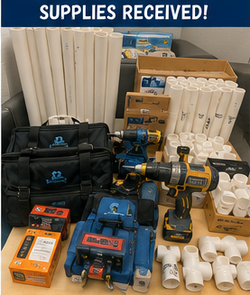
A few moments from Project JellyLaunch. We are still building this gallery, so if you have photos from a Project JellyLaunch event, workshop, or team activity, please email them to info@seaperchfoundation.org and include the project name and event date in the subject line.
Project JellyLaunch
 |  |  |
|---|---|---|
 |  |  |
 |  |
By sending photos, you confirm you have permission to share them and that they may be used on our website and social media.
Advice, Tips and Tricks From Around the World
This section is where teams share the small things that make a big difference, what worked, what surprised them, and what they wish they knew sooner. Tips are specific actions you can try right away. Tricks are small hacks that save time or reduce mistakes. Advice is the bigger direction that helps teams make good decisions over the whole season.
From Our Junior Board
Nolan, tip: Start with a baseline build and one simple test run. Improve from data, not opinions.
Nolan, trick: Keep a “first week checklist,” tools, safety, roles, batteries, and a place to store parts. Organization saves your future self.
Nolan, advice: Pick one goal for the first month. A team with one clear target beats a team trying to do everything at once.
Brooklynn, tip: Choose team roles early, even if you change them later. Roles keep meetings calm and help everyone feel useful.
Brooklynn, trick: End each meeting with one quick win and one next step. Momentum is built by finishing with clarity.
Brooklynn, advice: Confidence comes from showing up consistently. Nobody starts as an expert, you become one by practicing.
Julian, tip: Teach one skill at a time, then let the new team do it. People learn faster when they get hands on right away.
Julian, advice: New teams need encouragement more than pressure. Celebrate progress, because progress is what keeps teams coming back.
From Around the World
Experienced SeaPerch coaches, tip: Keep meetings short and structured at first. A simple agenda beats a long meeting with no plan.
Mentors who launch new programs, trick: Create a shared folder for photos and notes from day one. Future reports and posters become easy instead of painful.
Teachers starting new clubs, advice: Ask for help early. You do not need to be the technical expert to run a great program, you need the willingness to learn alongside students.