
Project JellyUnite
Collaboration that strengthens teams through training and shared learning.
Project JellyUnite brings teams together through workshops, shared strategies, and skill building that helps students level up in the areas that matter most, data collection, engineering notebooks, and technical design reports. This is where teams stop feeling alone and start feeling capable.
Nolan Note: Change one thing at a time, test three times, write it down, then decide. Remove guessing from your scientific equation.
Why It Matters
One of the most crucial parts of the engineering design process is sharing. Not sharing like, “Here’s a picture, good luck.” Real sharing. The kind where you tell the truth about what worked, what failed, what you changed, and why.
We get it, because we have been there. When teams do not know what to record, how to run testing, or how to connect data to design changes, it can feel like everyone else has it figured out and you somehow missed the secret lesson. It is frustrating, it is overwhelming, and it can steal the fun out of building.
Project JellyUnite exists to fix that. We teach teams how to test with purpose, track results clearly, and turn their season into a story they can prove with data, not stress.
Impact includes:
-
More confident engineers through hands on training and shared learning
-
Stronger data collection, notebooks, and technical writing that tells the real story
-
Teams improving faster because they learn from each other, not just from mistakes
How It Started
Project JellyUnite started because we kept seeing the same pattern, great kids, great effort, and then the documentation part hit and everything got stressful. Teams did not know what to record. They did not know how to connect testing to improvements. They did not know how to turn their season into a report that actually earns points.
PB & Jellyfish learned the hard way that engineering is not just building. It is testing, tracking, improving, and sharing. So we started building workshops and tools that make the process doable for teams at every level. After watching teams leave workshops with actual plans, actual confidence, and real progress, Project JellyUnite became a permanent SEAPERCH Foundation program.
What We Do
Project JellyUnite may include:
-
Data sheet workshops that teach teams what to track and how to test with purpose
-
Engineering notebook setup and check ins so teams stay organized all season
-
Technical design report workshops, rubric breakdowns, APA support, and real examples
-
Guidance on linking data directly into writing so claims are backed by evidence
-
Shared tools and templates that teams can reuse and adapt
-
Collaboration sessions where teams can ask questions and learn from one another
Who We Serve
Project JellyUnite supports:
-
New teams learning documentation and data for the first time
-
Returning teams ready to level up performance and writing
-
Educators and sponsors who want their students to succeed but need a roadmap
-
Student leaders who want to learn, share, and grow together
Connected Projects
Project JellyUnite connects with:
-
Project JellyConnect for mentorship when teams need deeper troubleshooting help
-
Project JellyLaunch so new teams start the season with strong structure
-
Project JellyLift because strong documentation also strengthens fundraising and sponsorship support
Photos and Highlights
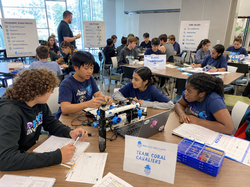
A few moments from Project JellyUnite. We are still building this gallery, so if you have photos from a Project JellyUnite event, workshop, or team activity, please email them to info@seaperchfoundation.org and include the project name and event date in the subject line.
Project JellyUnite
 |  |  |
|---|---|---|
 |  |  |
 |  |
By sending photos, you confirm you have permission to share them and that they may be used on our website and social media.
By sending photos, you confirm you have permission to share them and that they may be used on our website and social media.
Advice, Tips and Tricks From Around the World
This section is where teams share the small things that make a big difference, what worked, what surprised them, and what they wish they knew sooner. Tips are specific actions you can try right away. Tricks are small hacks that save time or reduce mistakes. Advice is the bigger direction that helps teams make good decisions over the whole season.
From Our Junior Board
Nolan, tip: Decide your test question before you touch the pool. “Does this change improve stability,” is a test, “let’s see what happens,” is chaos.
Nolan, trick: Keep one shared testing clipboard. Date, change, three trials, average, notes. Simple wins.
Nolan, advice: Use the same start point and same course setup when possible. Consistency makes data meaningful.
Brooklynn, tip: Make a weekly routine, photo folder, notes folder, data sheet updated, one notebook entry. Small habits make big seasons.
Brooklynn, trick: Write the report in pieces as you go. Waiting until the end is how teams end up stress writing at midnight.
Brooklynn, advice: Team writing works. One person talks, one types, one checks. Rotate roles so everyone grows.
From Around the World
Experienced SeaPerch teams, tip: Keep a “lessons learned” list. Add one line after each practice about what you would change next time.
Coach sponsors, trick: Use a checklist for every practice, tools, spare parts, batteries, data sheet ready. Less chaos, more progress.
2026 MJH Warriors SeaPerch Team SeaSiders, Manvel, TX, USA, advice: Writing the abstract first is like writing a book report for a book you have not read yet. Draft it last.